
Why Local Data Centers Matter for Enterprise Businesses
Local data centers provide organizations with infrastructure that is physically closer to their users and operations, helping improve application performance, reduce network latency, strengthen business continuity, support data residency objectives, and provide faster access to local technical expertise.
As organizations accelerate their digital transformation initiatives, the conversation around cloud infrastructure is no longer limited to compute, storage, and networking. Increasingly, business leaders are asking another important question:
“Where is our infrastructure actually located?”
The location of a data center can influence application performance, operational resilience, customer experience, and how organizations manage sensitive business information.
While global cloud platforms offer worldwide infrastructure, many enterprises also see value in infrastructure located closer to their operations. For organizations serving customers primarily within Pakistan, locally hosted infrastructure can support faster connectivity, closer operational collaboration, and greater visibility into their technology environment.
Whether deploying business applications, digital platforms, or enterprise cloud services, understanding the role of local data centers is an important part of long-term infrastructure planning.
What is a Local Data Center?
A local data center is a professionally managed facility located within the same country or region where an organization operates. It provides secure hosting for servers, storage systems, networking equipment, and cloud infrastructure that support business-critical applications.
Many modern Enterprise Cloud Solutions are built on local data center infrastructure, allowing organizations to combine the flexibility of cloud computing with infrastructure that is geographically closer to their business operations.
Why Infrastructure Location Matters
For many organizations, infrastructure location is about more than geography.
It can influence:
- Application responsiveness
- User experience
- Business continuity planning
- Access to local support
- Operational visibility
- Long-term digital strategy
Selecting the right infrastructure location should be based on business requirements, user locations, and operational priorities.
Benefits of Local Data Centers
Lower Network Latency
Applications perform best when they are closer to the people using them.
Hosting workloads within Pakistan can reduce the distance data travels, helping improve responsiveness for customer portals, enterprise applications, and business systems serving local users.
Improved User Experience
Employees, partners, and customers expect digital services to be responsive and reliable.
Local infrastructure can contribute to a smoother experience for applications accessed primarily within the same geographic region.
Support for Data Residency Objectives
Many organizations prefer greater visibility into where their business information is stored and processed.
Businesses evaluating long-term infrastructure strategies often consider a Sovereign Cloud approach when data location and operational control are important business considerations.
Faster Access to Local Expertise
Infrastructure projects often require collaboration beyond technology.
Working with a local provider enables organizations to engage directly with technical specialists for architecture planning, migrations, troubleshooting, and ongoing operational support.
Business Continuity
Reliable infrastructure is an essential part of business continuity planning.
Organizations can strengthen operational resilience by combining enterprise-grade data center infrastructure with Backup & Disaster Recovery services that help reduce downtime and improve recovery capabilities.
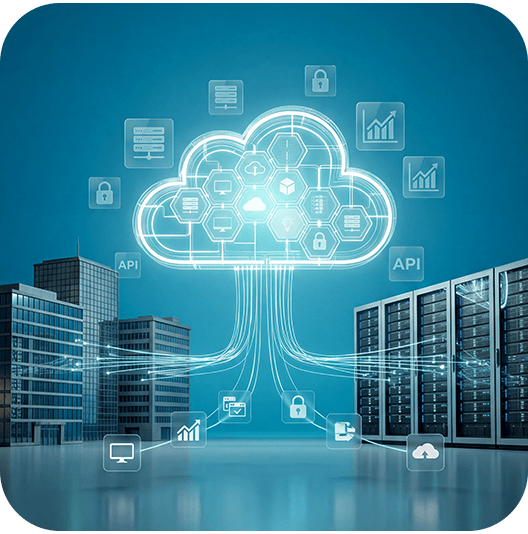
Local Data Centers and Enterprise Cloud
Cloud computing and local infrastructure are not mutually exclusive.
Many organizations deploy cloud services from locally hosted enterprise data centers, gaining the flexibility of cloud computing while keeping infrastructure closer to their operations.
Services such as Elastic Cloud Servers (ECS) enable businesses to scale computing resources while benefiting from enterprise-grade infrastructure designed for performance and reliability.
Supporting Modern Digital Transformation
As organizations modernize their technology environments, infrastructure requirements continue to evolve.
Digital transformation initiatives often include:
- Cloud migration
- Business application modernization
- AI adoption
- Advanced analytics
- Customer digital platforms
- Hybrid cloud environments
Local infrastructure provides a strong foundation for these initiatives while supporting future business growth.
Organizations planning AI adoption should also evaluate AI Infrastructure capable of supporting GPU-powered workloads and advanced computing requirements.
Industries That Benefit from Local Data Centers
Banking & Financial Services
Banks require resilient infrastructure capable of supporting secure digital services, payment systems, and business continuity.
Healthcare
Healthcare organizations rely on continuous access to hospital systems, patient information, and clinical applications.
Manufacturing
Manufacturers depend on reliable infrastructure for ERP systems, production planning, and operational analytics.
Government
Public sector organizations require secure and resilient infrastructure supporting citizen services and digital government initiatives.
Local Data Centers and Enterprise Cloud
Enterprise cloud infrastructure supports a wide range of business applications across industries.
- Enterprise Resource Planning (ERP)
- Customer Relationship Management (CRM)
- Financial and Banking Applications
- Healthcare Systems
- Manufacturing Operations
- Government Digital Services
- Business Intelligence & Analytics
- Backup & Disaster Recovery
- AI & Machine Learning Workloads
- Enterprise Websites and Digital Platforms

Because cloud infrastructure is highly flexible, organizations can modernize individual applications or migrate entire business environments over time.
Choosing the Right Local Data Center Provider
When evaluating a local provider, organizations should consider:
- Enterprise-grade infrastructure
- High availability architecture
- Security and operational governance
- Scalability
- Disaster recovery capabilities
- Local engineering expertise
- Long-term technology roadmap
- Support for AI and future digital initiatives
Infrastructure decisions should support not only current operational requirements but also future business growth.
Table of Index
Frequently Asked Questions
Answers to common questions about local data centers.
A local data center is a facility located within the same country or region as the organization it serves, providing secure hosting for enterprise infrastructure and cloud services.
Infrastructure located closer to users can improve application responsiveness, simplify operational support, and strengthen business continuity planning.
No. Organizations of all sizes can benefit from enterprise-grade infrastructure depending on their business requirements and digital strategy.
For workloads serving local users, infrastructure located nearby may help reduce latency and improve user experience.
Data residency refers to the geographic location where an organization's data is stored and processed.
Yes. Modern enterprise data centers can host scalable AI-ready infrastructure, including GPU-powered computing environments.
They provide resilient infrastructure that can be combined with backup, replication, and disaster recovery services to strengthen operational continuity.
Organizations should consider infrastructure quality, security, availability, scalability, local support, and long-term business alignment.
Key Takeaways
- Infrastructure location can influence application performance, user experience, and operational resilience.
- Local data centers provide enterprise-grade infrastructure closer to business operations.
- They support digital transformation, business continuity, and long-term technology planning.
- Choosing the right provider involves evaluating infrastructure quality, scalability, security, and local expertise.
- Local infrastructure and cloud computing work together to support modern enterprise IT.
Who powers the Indus Cloud ecosystem












Ready to Modernize Your Enterprise Infrastructure?
Whether you’re planning a cloud migration, expanding digital services, or preparing your organization for AI-driven innovation, Indus Cloud provides enterprise-grade cloud infrastructure designed to support your business today and into the future.